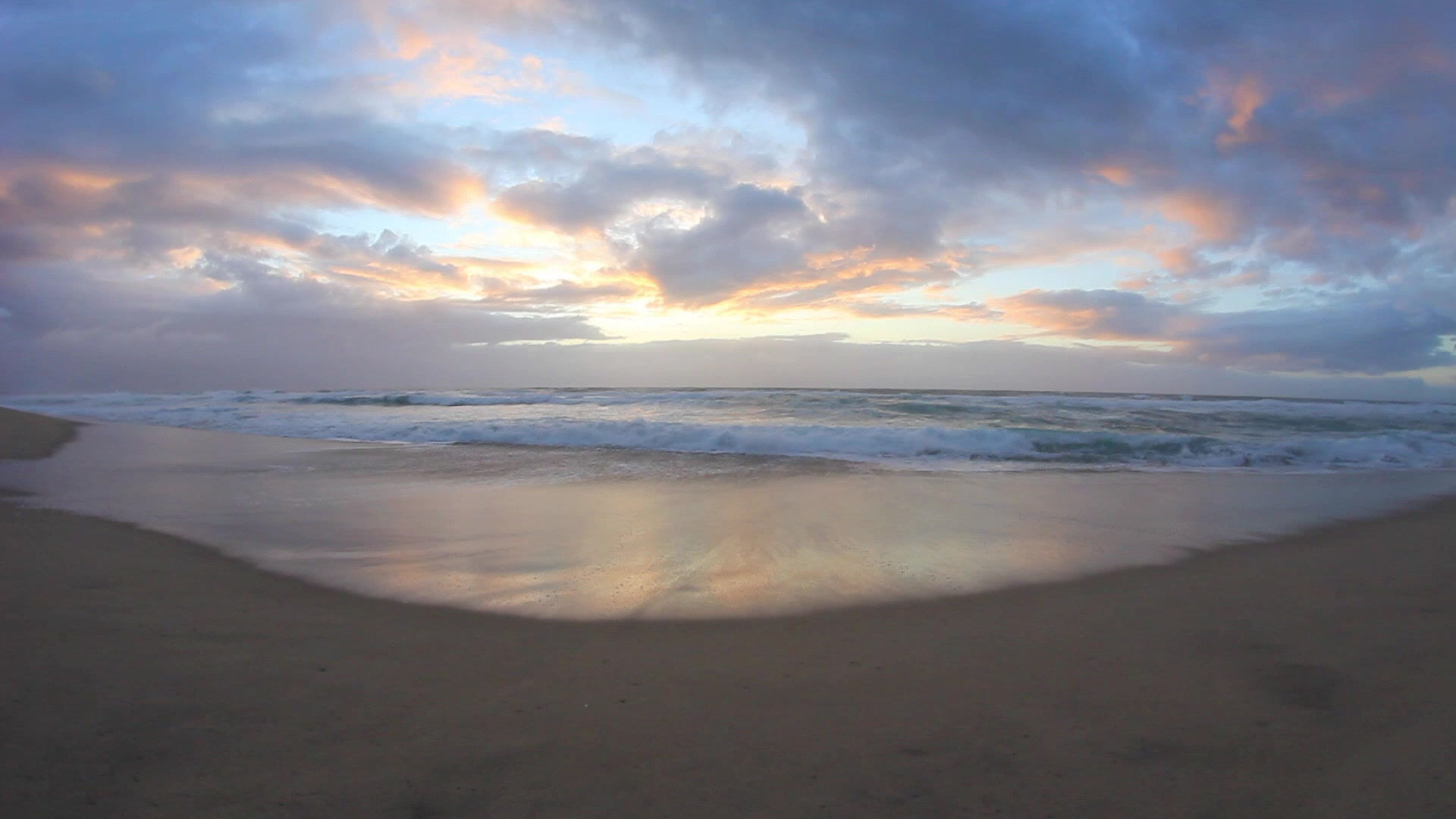


ANITRA CARR, "Heartache Sky"
There are some regrets that refuse to stay buried, rising instead like a late-night confession beneath an open expanse. On “Heartache Sky,” Anitra Carr turns that ache into a slow-burning country-blues meditation, singing to a lost love, the moon and the stars with equal measures of remorse, tenderness and hard-earned honesty.
Co-produced and co-written with the extraordinarily imaginative multi-instrumentalist and “sound painter” David Vito Gregoli, the first single and title track from Carr’s forthcoming album finds the Sedona-based Americana singer transforming a simple guitar progression into a richly textured portrait of love remembered after it has slipped away.

The song’s origins are almost as organic as its sonic textures. Carr was practicing guitar on her patio, strumming a simple progression while singing stream-of-consciousness syllables beneath the Sedona night sky when the chorus suddenly arrived. She captured it on her phone and sent the idea to Gregoli, who returned it with a bassline that immediately suggested where the song could go. From there, the collaborators gradually built the arrangement, with Gregoli adding layer after layer without obscuring the song’s essential simplicity.
A wafting vocal ambience gives way to a slow, hypnotic groove grounded by strummed acoustic guitar, organ harmony, winding bass and subtle dobro coloring. Carr’s opening “Oh, my darling” is immediately shadowed by the whispered “I’m lost,” creating a fascinating bit of subtext before she begins confronting the mistakes that cost her the relationship. As she reaches “Makes me wonder if you hear my song,” her voice rises into a plaintive cry before the chorus arrives with greater rhythmic force: “Hey, it’s a heartache sky.”
That chorus is the song’s emotional center, but Gregoli wisely keeps expanding the sonic picture around it. Heavier strumming, sharper percussion, dobro flourishes and organ give Carr’s apology added weight as she sings, “I’m sorry baby for the hurt and the lies.” Her regret feels personal rather than theatrical because her narrative never tries to over-explain it.
The second verse deepens the story, recalling a love that once burned brightly before asking, “Three summers now, where do the seasons go?” A ghostly backing vocal echoes the question while elegant piano figures and darker dobro shading create a more contemplative atmosphere. Most intriguingly, Carr does not return immediately to the chorus. She moves directly into the bridge, where “Oh, September rain” becomes a plea for cleansing, healing and wholeness. When the chorus finally returns, its familiar words carry greater weight.
The closing repetitions of “Sending you my love tonight under a heartache sky” gradually soften, leaving Carr suspended between apology and hope. It’s a fitting ending for a song born beneath the Sedona stars: intimate, unguarded and quietly radiant, with Gregoli’s production giving Carr’s regret enough room to breathe.
Comments