

JIMBO ROSS, So Do It
Sometime in the 70s, jazz trumpeter Don Ellis famously introduced the incomparably eclectic Jimbo Ross as “the only jazz violist in captivity. Now releasing his second jazz album, the emphatically titled, high octane So Do It, Ross at last reveals the secret of his successful sounds that have been tapped by pop, jazz and R&B legends for decades and finally sashayed, grooved and glided their way into solo artistry in the jazz realm with his 2024 debut Jazz Passion and Latin Satin.
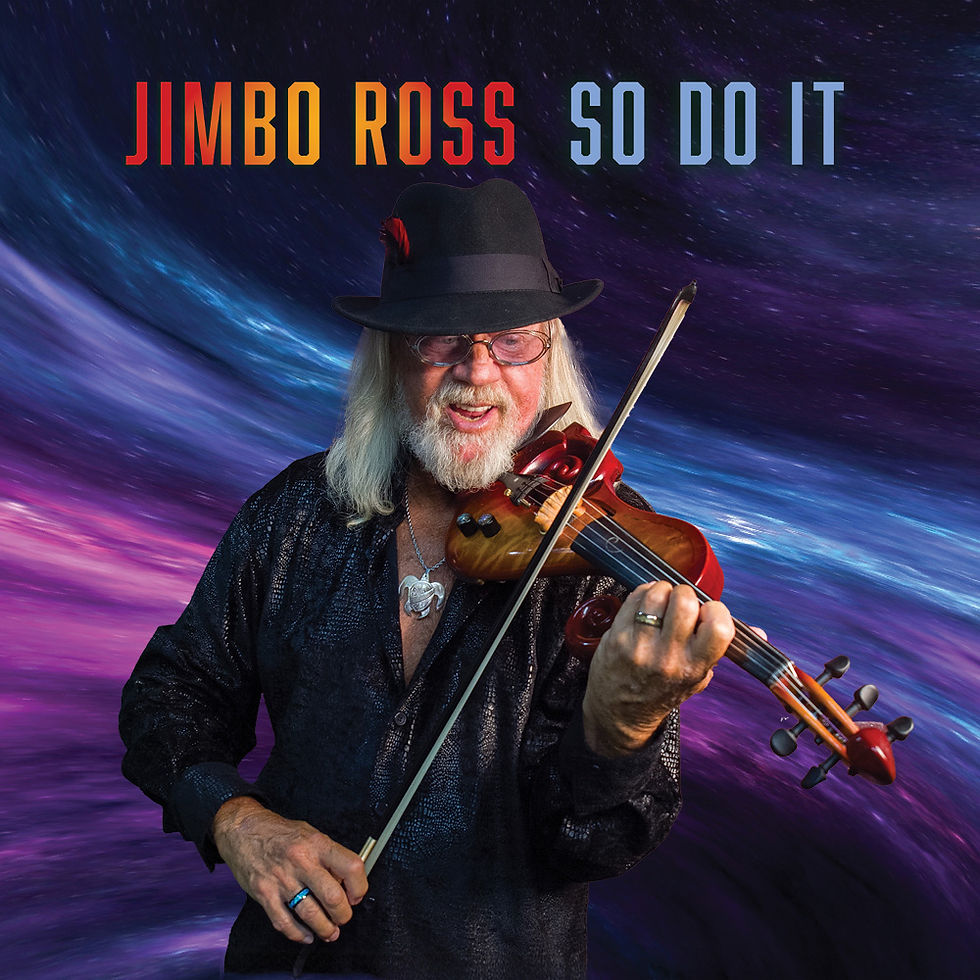
“With my 5 strings,” he says, “I can go down to those lower viola notes, play the lovely mid-range that resonates so beautifully on the viola, and soar high in the violin register all in one phrase.” For good measure, and just so his legion of fans know what he cares most about as he wildly entertains them, he adds, “I really love the range of the viola because it’s more in the gutsy human voice range that is appealing to the ear.”
In addition to fashioning hot, snazzily swinging jams with his quintet of Joe Gaeta (guitar), Stuart Elster (piano), Peter Marshall (bass) and Ron Wagner (drums), another thing Ross excels at is curating so called hidden gems in the jazz canon. To that end, he brings his dazzling fire, whimsy and intricate and adventurous string excitement to sometimes overlooked classics we need to hear more of, like Lee Morgan’s sensual waltz “The Gigolo,” Bill Evan’s hip blues-jazz swinger “Funkallero,” Duke Ellington’s lesser known winsome romp “Sherman Shuffle” and Sonny Rollins’ zippy, percussive heater “Pent Up House,” the latter featuring one of Ross’ most freewheeling solos.
Ross and his ensemble complement the relative obscurities with clever arrangements of “Willow Weep For Me” (impressionistic and trippy) and “The Way You Look Tonight,” rendered with a remarkably speedy tempo and heaps of funky, muscular excitement. Though not an official suite, another compelling aspect of So Do It is Ross 1-2-3 punch of Wes Montgomery jams, starting with “Twisted Blues” and the sashaying title track and continuing through “Canadian Sunset,” a stylistically adaptable 50’ standard the violist chose after hearing Wes’ version on Boss Guitar.
Comments