

SUSAN FANCHER & INARA ZANDMANE
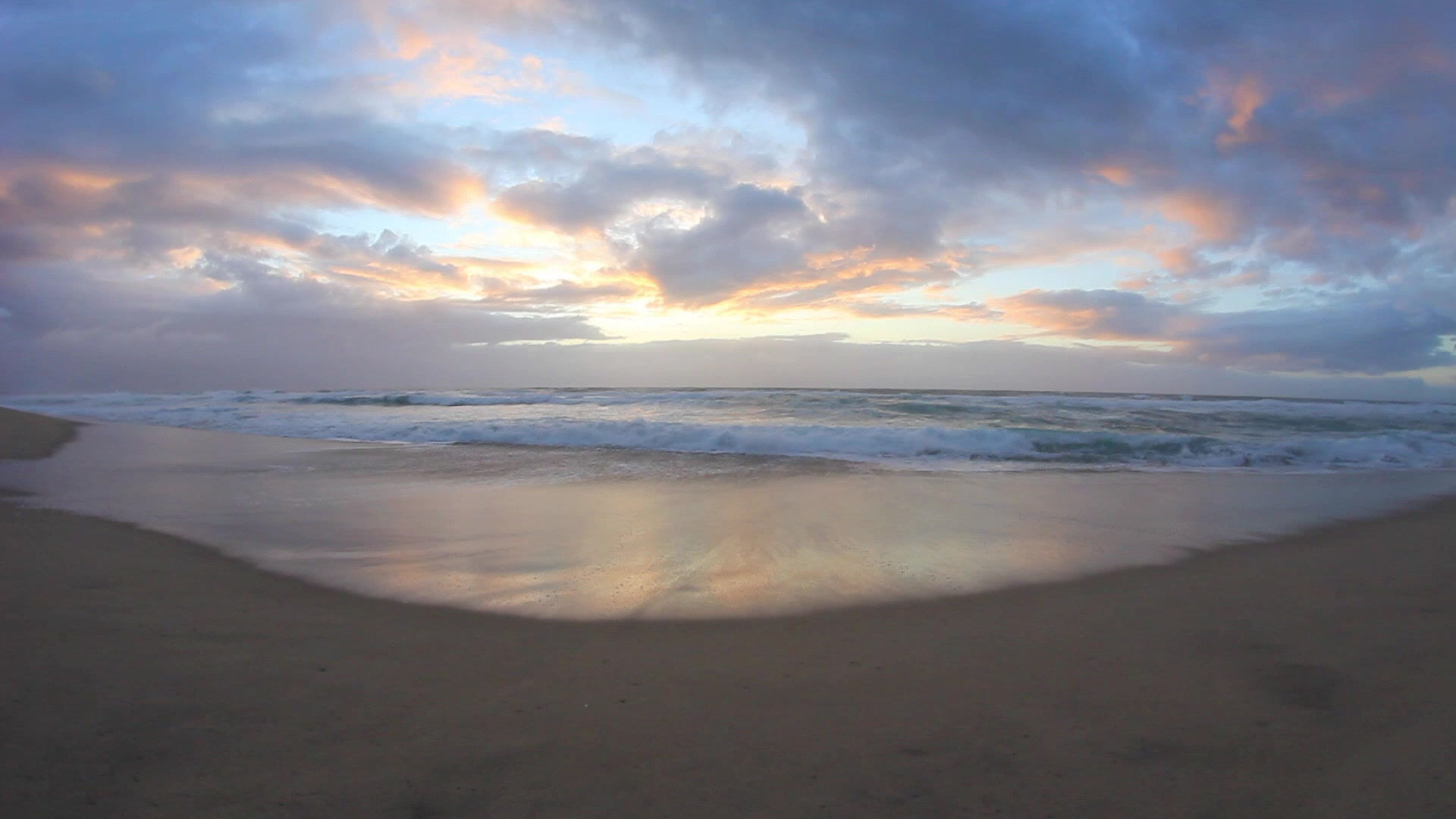
Some music seems to capture our senses already illuminated. A note appears, catches the ear at an unexpected angle, changes color, disappears into shadow, then returns transformed. That is the sensation at the heart of Strange Lights, the remarkably vivid new Neuma Records collaboration between saxophonist Susan Fancher and pianist Ināra Zandmane. Named for the atmospheric phenomena—auroras, sundogs, coronas and eclipses—that can make an ordinary landscape suddenly seem otherworldly, the album similarly turns the familiar saxophone-and-piano format into a constantly shifting world of radiance, mystery, motion and reflection.

The deeper achievement is the extraordinary musical rapport between Fancher and Zandmane. Their partnership, which dates to 2003, is not simply a matter of one musician accompanying another. They listen, respond, provoke and redirect each other with an almost conversational instinct, allowing each composition to breathe according to its own personality. Fancher, internationally recognized for her expressive tone and advocacy of contemporary repertoire, has premiered more than 100 new works and serves on the faculty of Duke University. Zandmane, a distinguished collaborative pianist at the University of North Carolina Greensboro, brings an equally sophisticated combination of precision, flexibility and interpretive imagination. Together, they make music that can be meticulously composed one second and seem to be discovering itself the next.
The title work, Harriet Steinke’s Strange Lights, immediately establishes that spirit. The opening movement, “Freely,” begins with Fancher alone, her low alto saxophone searching through a spacious, almost dreamlike terrain. There is a gentle sense of adventure in those first phrases, as though the instrument is testing the contours of an unfamiliar landscape. When Zandmane enters, her piano initially functions like an elegant harmonic shadow beneath the saxophone, but the relationship soon becomes much more fluid. The melody rises and falls in intensity, sometimes soulful and sustained, sometimes almost improvisational in its wandering.
Fancher gradually pushes the instrument higher and harder while Zandmane gathers force beneath her, deeper piano sonorities giving the saxophone’s increasingly impassioned flights something substantial against which to press. Then, almost without warning, the two retreat into stillness. What makes the movement so compelling is that its freedom never feels directionless. It has a center even while continually moving away from it.
The second Steinke movement, “With movement—Slow, relaxed,” mischievously challenges its own title. It begins with sharp, percussive attacks from both musicians before Fancher’s high saxophone and Zandmane’s piano launch into an unpredictable dance. The contrast is delicious: the piano can be kinetic and punchy while Fancher’s horn remains silky and lyrical, creating a simultaneous sensation of acceleration and suspension. At times the saxophone seems almost birdlike, darting above the keyboard; elsewhere its honks and quick bursts become part of an exuberant duet.

Eventually the two unleash a particularly frenetic exchange before stopping almost completely. Soft piano chords create a pocket of space, above which Fancher floats a delicate high register. The closing piano exploration gradually intertwines with the saxophone again, ending the work not with resolution so much as a quiet return to wonder.
Mark Engebretson’s Sonata changes the color palette by moving Fancher to soprano saxophone. Written specifically for her and recorded here for the first time, the three-movement work draws inspiration from poetry by Brian Lampkin, and its contrasting sections move between buoyancy, reflection, restraint and triumph.
“In the Pocket” is a burst of kinetic personality. Jumpy piano chords and a punchy soprano saxophone create an almost mischievous call-and-response, with each musician seeming to egg the other onward. There is a playful, percolating quality to the exchange, even when the harmonies turn darker. A fluttering saxophone passage suggests a distant Rhapsody in Blue-like melodic freedom before the piano pushes the music into another rapid, bouncing exchange.
Then the floor drops away. Brushes and sparse piano tones create a nearly spacey soundscape, followed by searching high-register piano and weightier lower sonorities. Fancher responds with a slow, soulful passage before the opening momentum suddenly reappears. The structural surprise is part of the fun: this music is never content to stay in one emotional room.
“I look out on the day” offers one of the album’s most affecting moments. A peppery, repeating piano figure gradually gives way to a lyrical saxophone line, Fancher’s soprano singing above Zandmane’s increasingly elegant harmonic touches. The music continually shifts between clipped rhythmic gestures and long, flowing phrases. At one point the two seem to anticipate an arrival through a series of percussive interjections before Fancher’s saxophone finally stretches upward into a graceful, soaring statement.
The extended “The Directions” is even more restless. Low range piano figures and bright, whimsical saxophone create a kind of madcap counterpoint, with both musicians darting around each other in alternating bursts of motion and repose. There are flurries that feel almost like a race, followed by sudden quiet. Beneath the whimsy is something more contemplative: a musical search for meaning, expressed through constant movement. The final interplay of lighter saxophone tones and increasingly shadowed piano creates one of the album’s most striking balances of darkness and light.

Dorothy Chang’s New Stories then takes the album somewhere more folkloric, colorful and rhythmically animated. “floating worlds” lives up to its title through long, suspended saxophone tones and softly placed piano chords, with quick flurries interrupting the calm like birds suddenly crossing an open sky. The piece feels weightless without becoming insubstantial.
“A Tall Tale Told” is more mischievous, built around quick exchanges and repeated stops and starts. Saxophone and piano race together, separate, pause and resume, gradually intensifying into a lively upper-register conversation before descending into a quieter, more solemn ending. It feels almost like a story being told through gesture rather than words.
Then comes “Reflection,” a striking change of emotional temperature. Fancher is alone, her alto exploring a dark, breathy register before moving gradually upward. Repeated motifs become a form of meditation, the instrument seeming to search through its entire range for some elusive emotional center. There are fleeting touches of lightness, but the prevailing character is introspective and elegiac.
Which makes “Folksong” feel like a sudden burst of sunlight after clouds. Punchy piano chords and buoyant saxophone establish an exuberant dance, and the two musicians become increasingly uninhibited. Fancher’s high-register flights grow wilder while Zandmane responds with increasingly forceful keyboard gestures. The music becomes a joyous, almost unruly whirl of improvisation before settling into lower, heavier piano sonorities beneath the saxophone’s elegant drift. A final high saxophone note hangs over the shadowy piano below, leaving the album suspended between exhilaration and mystery.
Across these nine movements, Strange Lights demonstrates how much expressive territory can exist between two instruments when the musicians know exactly when to lead, when to answer and when to simply listen. Fancher’s saxophones can whisper, sing, chatter, soar and erupt; Zandmane’s piano can shimmer, punctuate, shadow, propel and suddenly withdraw. The compositions give them frameworks, but the duo supplies the living motion within them.
Like the phenomena that inspired its title, Strange Lights is most captivating when its colors refuse to remain fixed. Light becomes shadow, rhythm becomes silence, lyricism gives way to experimentation, and a carefully written passage can take on the sensation of spontaneous discovery. Fancher and Zandmane don’t merely perform these contemporary works—they illuminate them from within.
Comments