

ZEITGEIST, Mary Ellen Childs: North
There is a particular kind of silence found in the Arctic, but it is hardly an absence of sound. Beneath the vast expanses of ice and water, across immense stretches of open sky, nature is constantly in motion: wind shifts direction, glaciers creak and fracture, water moves beneath frozen surfaces, and distant sounds emerge from an environment that seems, at first glance, almost otherworldly in its stillness.
Composer and multimedia artist Mary Ellen Childs captures this paradox beautifully on NORTH, a 12-part sonic exploration performed by the Minnesota-based new music ensemble Zeitgeist. Inspired by her participation in the Arctic Circle Expedition, the album transforms the stark beauty, fragile ecology and elemental rhythms of the region surrounding Svalbard into an expansive musical environment that rewards patient, attentive listening.

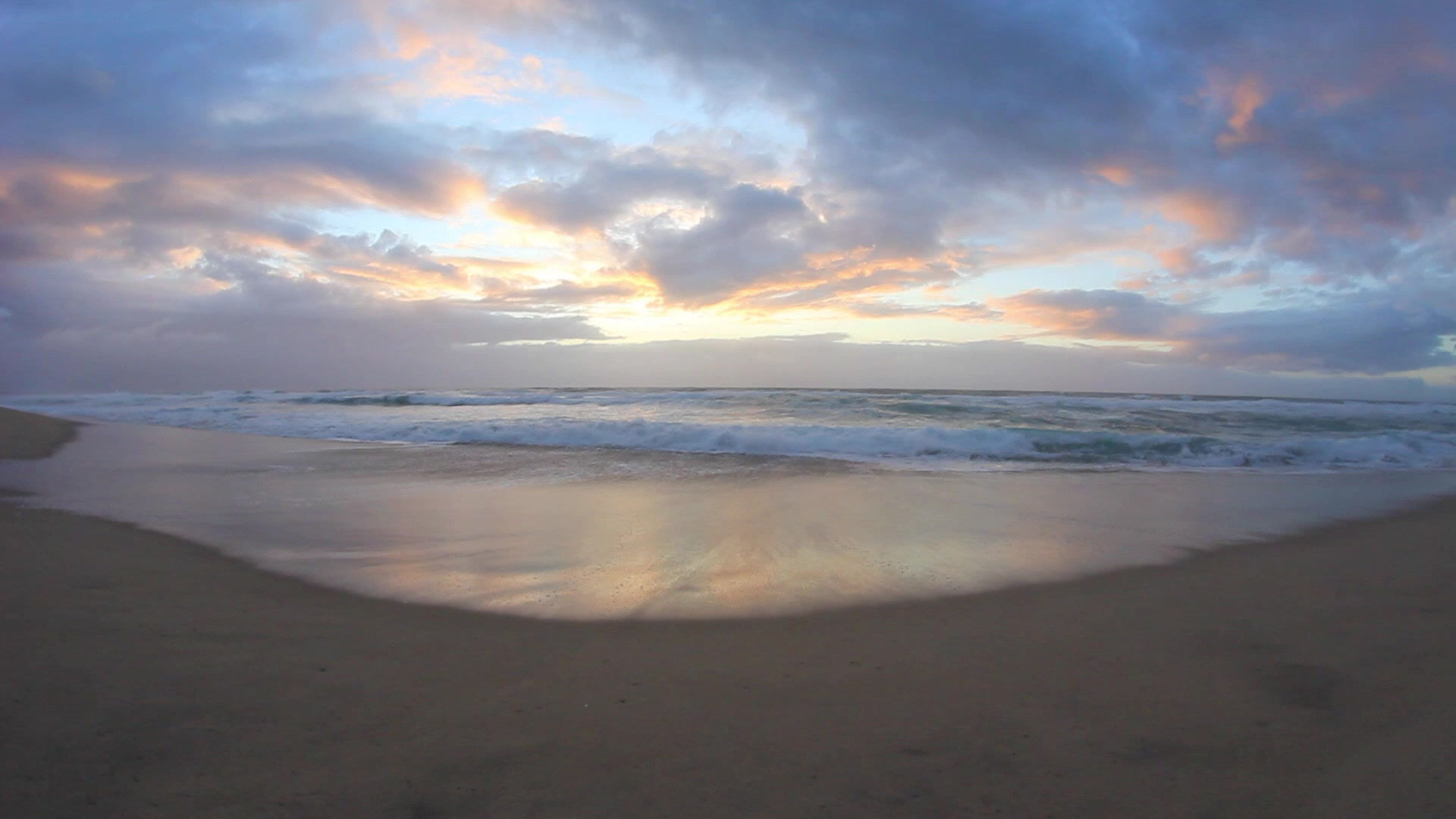
Childs’ journey aboard an Arctic-bound Tall Ship, sailing through an international territory approximately 10 degrees from the North Pole, profoundly influenced the work. She returned with photographs, recordings and impressions of a landscape defined by immense scale, shifting light and a remarkably restrained palette of whites, blues and pinks. Yet the experience also brought an unsettling awareness of plastic debris, receding glaciers and vulnerable shorelines—reminders that even the planet’s most remote places are affected by human activity. NORTH ultimately reflects on the interconnectedness of the air we breathe, the water we use and the earth we share.
The project was originally conceived as a multisensory installation, with video projections and a custom fragrance designed by Childs extending the experience beyond music. The album distills its 12 interconnected sections into an audio journey performed by Zeitgeist’s Pat O’Keefe on clarinets, Nicola Melville on piano, and percussionists Heather Barringer and Patti Cudd. Although the sounds originate acoustically—with the exception of the wind heard in “Floe”—the recording’s layering, resonance and spatial treatment create an unusually dimensional listening experience. Childs approaches the ensemble less as a traditional chamber group than as a palette of contrasting textures, timbres and gestures, allowing individual sounds to emerge, overlap and recede like elements of a constantly changing natural world.
“Pink Blue White,” named for the dominant colors Childs observed in the Arctic, establishes the album’s distinctive language through a series of high, resonant tones that seem to hover in the air. A lower-register counterpart gradually joins the repeating pattern, while individual pitches drift away and are replaced by new ones. Their eventual convergence forms a striking two-tone effect, interrupted by delicate percussion and a high-register piano motif. The result is both ethereal and strangely compelling, like an abstract hearing test unfolding into a miniature study of color and light.
“Aurora” introduces greater kinetic energy, with plucky piano figures and shimmering chimes dancing around sustained tones of varying intensity. A lower, breathy clarinet presence provides grounding as the upper-register activity grows more intricate, at times conjuring the flickering, unpredictable movement of the Northern Lights. The piece unfolds through a fascinating succession of gestures—tinkling notes, angular phrases, heavier accents and softer vibraphone passages—before a low, thunderous rumble gives the closing moments unexpected weight.

The emphasis shifts from tonal abstraction to environmental suggestion on “Earth as Body.” Subtle rattling and breath-like sounds generate an impression of distant natural activity, eventually joined by birdlike whistles and shuffling percussion. What begins as a quiet woodland tableau slowly becomes more turbulent as the windlike and percussive elements gather momentum. Without a conventional melody, the sounds possess an organic musicality of their own, as if the earth were communicating through its own intricate vocabulary.
“Boreas: Bringer of Cold” is more ominous, opening with low vibraphone chimes and a faint rumble beneath floating clarinet tones. As the pace quickens, the contrasting registers become more forceful, with resonant low notes, swirling piano gestures and increasingly emphatic percussion. A dramatic drum flourish introduces an almost ceremonial, tribal intensity. “The World Is Blue at Its Edges” takes a more restrained but equally unsettling approach, balancing finely etched high-frequency modulations against earthy, hollow wind tones. The intensifying pitches evoke a sense of mounting anxiety, while distant chimes and sonar-like sounds call to mind the immense, unknowable spaces beyond the listener’s immediate reach.
One of the album’s most enchanting passages, “Frazil Ice,” centers on the expressive possibilities of bells and chimes. Individual strikes produce different high and low vibrations, each lingering over a soft, mysterious undercurrent. The occasional double-twinkling patterns have an almost seasonal, Christmas-like shimmer, but the overall effect is more contemplative than celebratory. Its understated charm offers a welcome moment of repose amid the album’s more turbulent excursions.
“Fallen Pieces of the Moon” returns to a layered interplay of piano, percussion and clarinet. A low, bell-like motif supports a climbing high-register piano pattern, while the clarinet wanders through the middle register with an almost whimsical freedom. The three elements develop their own identities without losing their connection, shaping a gently fantastical sound world. By contrast, “Rumble” strips the music down to its elemental force. Distant, thunderous vibrations swell and recede, shifting between ominous remoteness and the sensation of something approaching. It is a brief but powerful reminder of nature’s capacity to inspire awe as well as apprehension.

“Floe” introduces a unique sonar-like tonal pattern, alternating between higher and lower intensities. Widely spaced piano chords emerge from the surrounding soundscape, accompanied by a graceful dusting of bells and subtle atmospheric details. The interplay between these recognizable instrumental gestures and the more elusive sounds surrounding them creates a compelling sense of anticipation. A rush of wind eventually pushes the piano farther into the distance, leaving the chimes to linger as the piece fades.
The title “Dripping” evokes an ice cave where water falls from melting icicles, and Childs’ approach makes that image remarkably tangible. Spacious, echoing tones suggest cold air moving through an immense hollow environment, while recurring waves of sound gradually rise and dissipate. There is a sense of exploration here, as though the listener is slowly discovering the contours of a place that remains largely hidden. “Falling to the Sea” continues the movement between openness and shadow, pairing gently modulating tones with scattered piano notes and light chime touches. A more brooding undercurrent gently enters, creating a striking contrast between the fragile upper-register patterns and the weightier sounds beneath them.
The nearly ten-minute “Home” provides an especially absorbing finale. It begins with a deep, vibrating tonal presence that slowly intensifies, suggesting an immense force gathering beneath the surface. A higher buzzing sound cuts through, establishing an intriguing contrast before clarinet phrases enter with unexpected warmth and buoyancy. Their increasingly animated exchanges with the lower-register textures create a remarkable tension between foreboding and beauty. At times, the upper voices suggest a distant church organ, lending the closing segment a strangely sacred quality. The music grows more forceful before finally easing into a lingering bass energy.
Across NORTH, Childs demonstrates how effectively contemporary chamber music can evoke a physical environment without relying on literal representation. Zeitgeist responds with exceptional sensitivity, allowing the smallest gestures to carry considerable expressive weight while embracing the more turbulent passages with equal conviction. The album’s greatest achievement is its ability to make an immense and seemingly inaccessible landscape feel immediate, intimate and deeply connected to our shared experience. Like the Arctic itself, NORTH is beautiful, vulnerable and never entirely predictable—a richly imagined reminder that the natural world is speaking all around us, if we take the time to listen.
Comments